Introduction
A Walk Through Harajuku: Where the Streets Breathe
It begins at Harajuku Station.
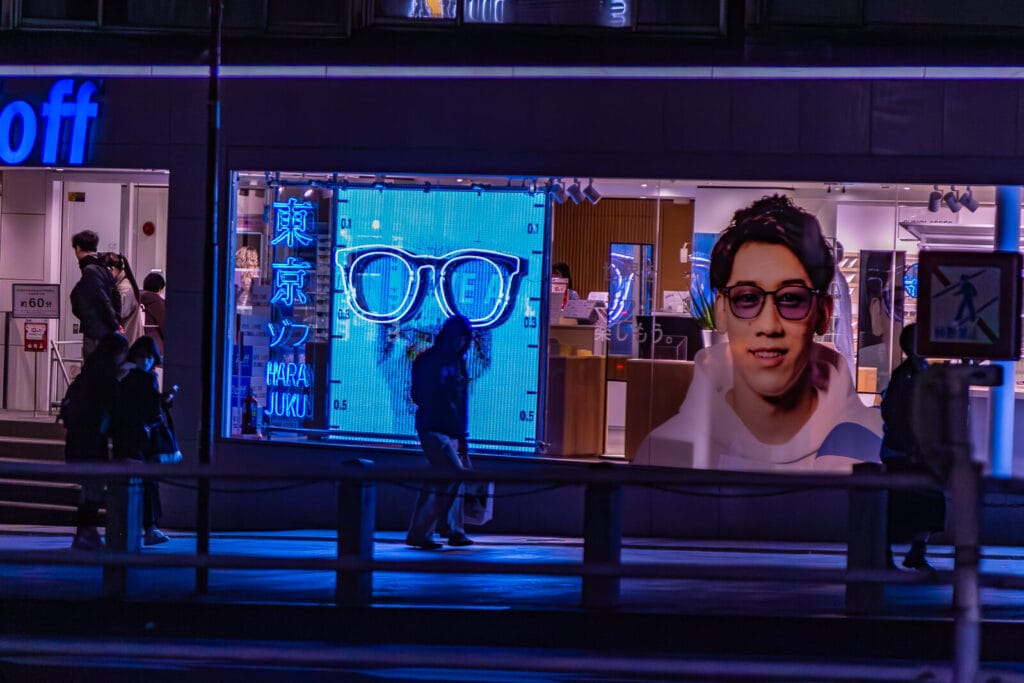
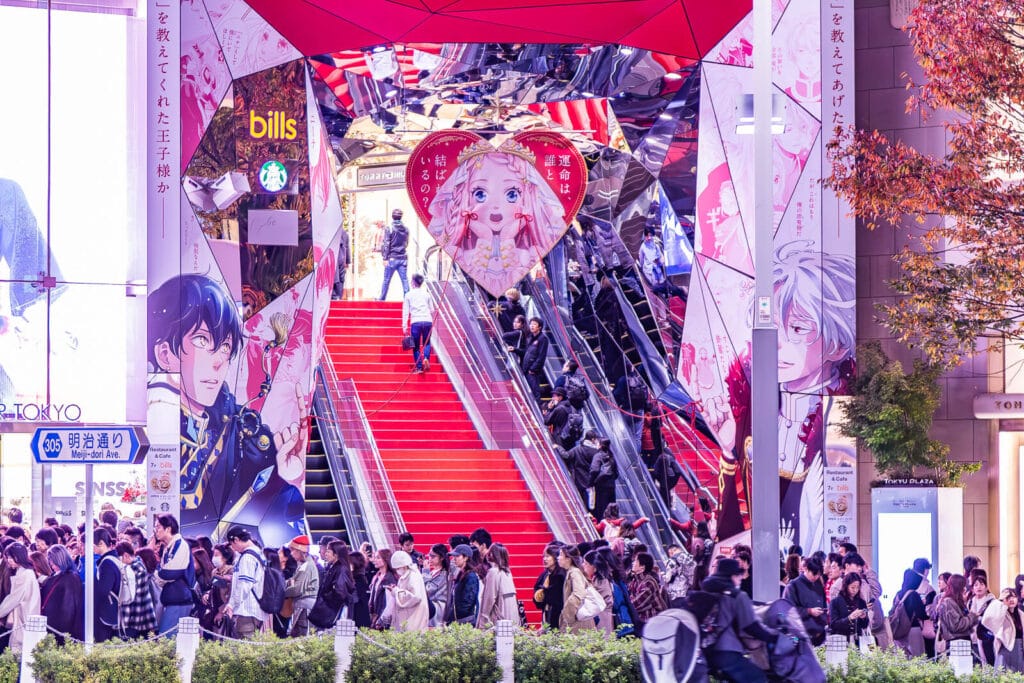
You step out and there it is — the heart of one of Tokyo’s most famous streets. The air feels different here. Thicker, somehow. Like the city is breathing something extra into this particular stretch of pavement. If you’ve never been before, it hits you all at once. Color. Sound. Movement. People dressed like they invented fashion while the rest of the world was still figuring out what to wear.
This is Harajuku street. Where every corner is a canvas and every single person walking past you is already part of the scene. Even the tourists, honestly. Even you.
I arrived mid-morning on a Saturday, camera strap around my neck, no particular plan. That’s the only way to do it, really. Plans don’t survive Takeshita Street.
Takeshita Street: Beautiful Chaos
Takeshita Street hits different. There’s no other way to say it.
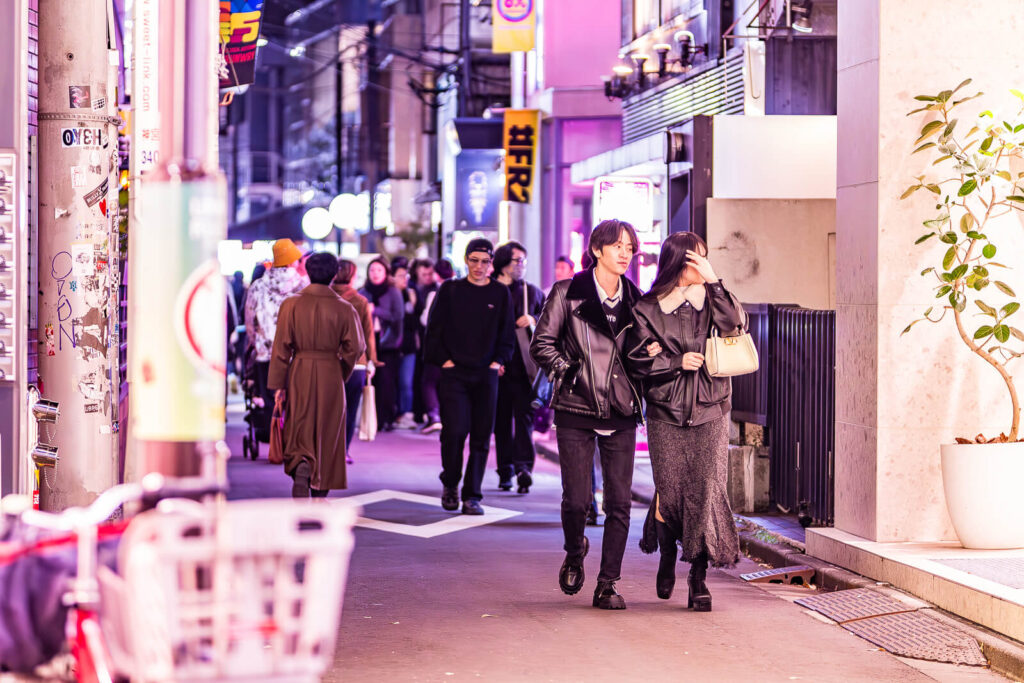
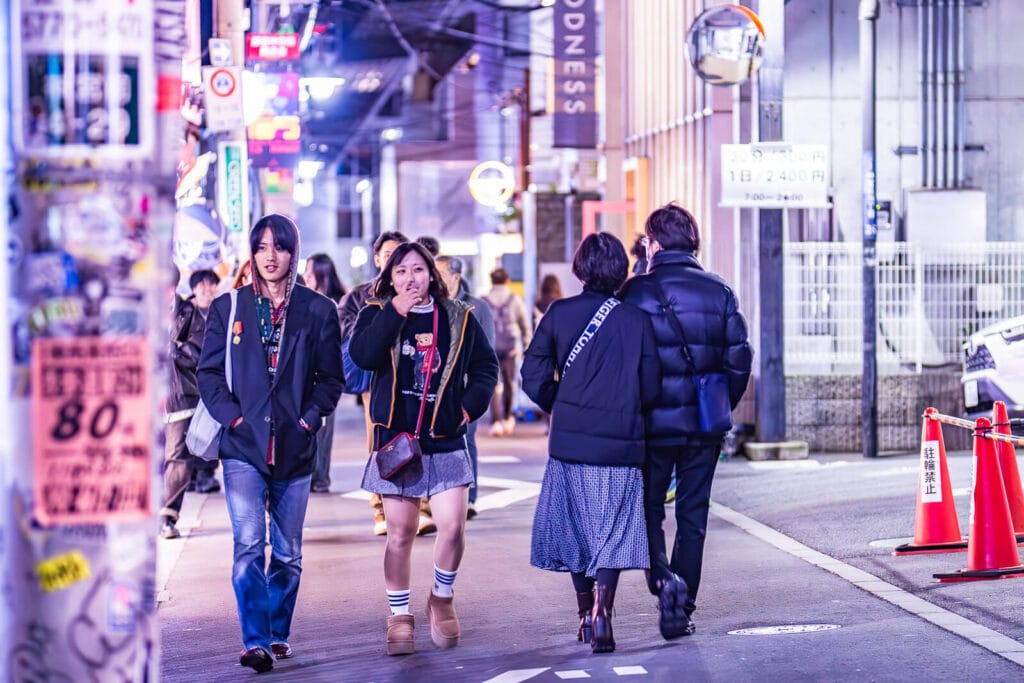
It is known worldwide as one of the most iconic centers of Harajuku street fashion, and the reputation is absolutely deserved. Teenagers in chunky punk boots shuffle past you holding crepe paper wrapping from the stalls lining both sides. Couples in perfectly coordinated matching outfits — and I mean perfectly coordinated, shoes and all — walk hand in hand like they planned this together for weeks, which they probably did.
Then there’s the cosplayers. Neon wigs. Full face paint. Elaborate costumes that took someone probably forty hours to make, worn on a random Saturday morning like it’s nothing, like it’s just what you wear to go out.
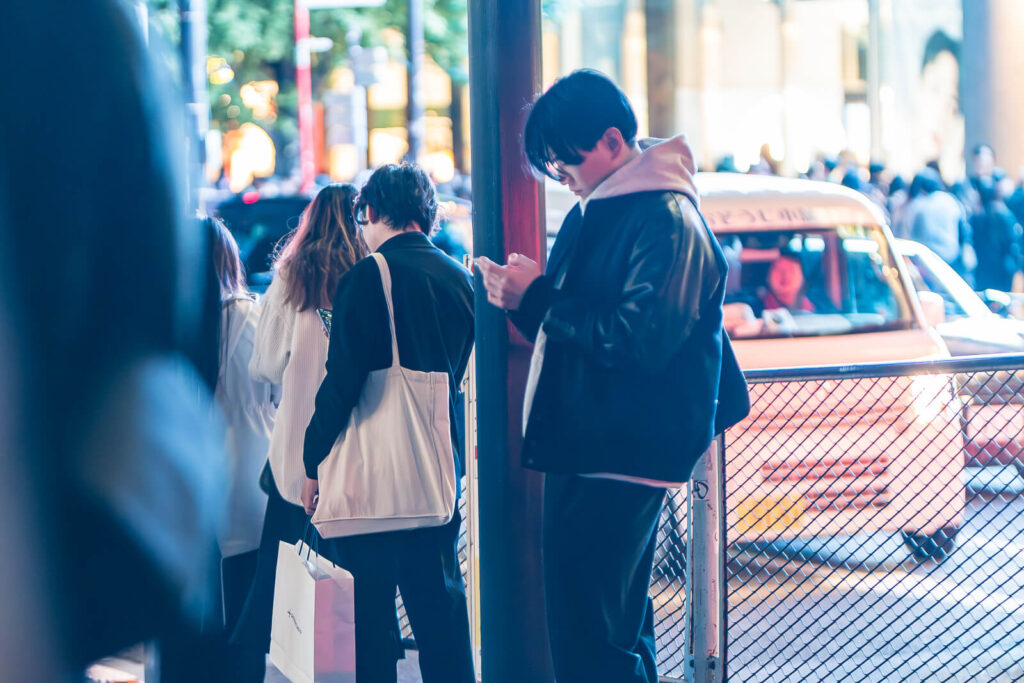
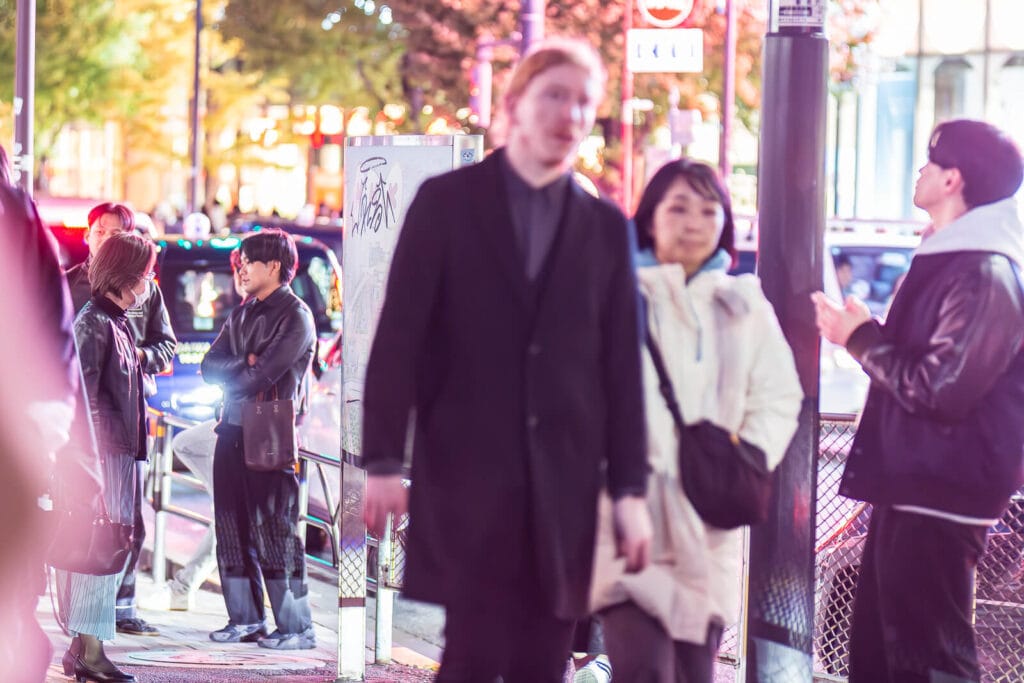
As a Tokyo street photographer, this kind of environment is gold. Every single frame surprises you. You raise the camera and before you’ve even decided on a composition, something new walks into it. A flash of yellow. A kid eating cotton candy that is three times the size of his head. A grandmother in traditional dress standing perfectly still while the chaos swirls around her like she’s the eye of the storm.
I took probably three hundred shots in an hour on Takeshita Street alone. Maybe forty of them are decent. That ratio felt fine. That ratio felt right, actually, because the misses remind you how fast it all moves here, how you can never quite keep up.
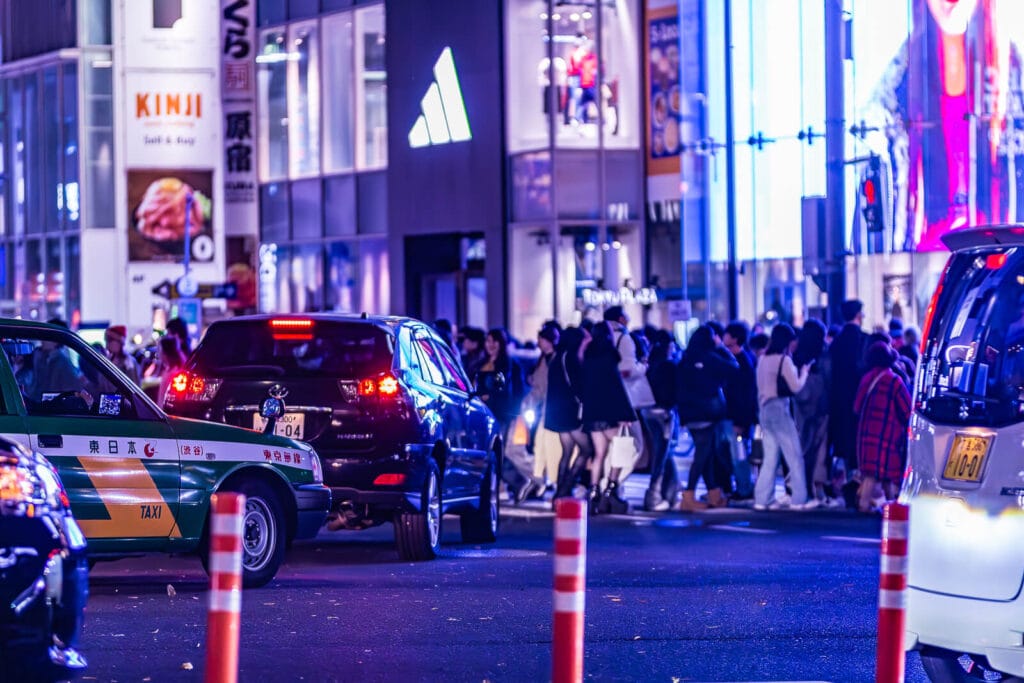
The street smells like fried dough and perfume and something sweet I never quite identified. The shops are stacked almost on top of each other, storefronts competing visually in a way that should be exhausting but somehow ends up being thrilling. Everything is loud. Everything is trying to get your attention. And somehow, everything succeeds.
The Turn: Omotesando
Then you turn.
Not even a long walk. Maybe ten minutes, maybe fifteen if you stop to shoot like I did. But the shift is immediate and total. Omotesando arrives not with a bang but with a long, clean exhale.
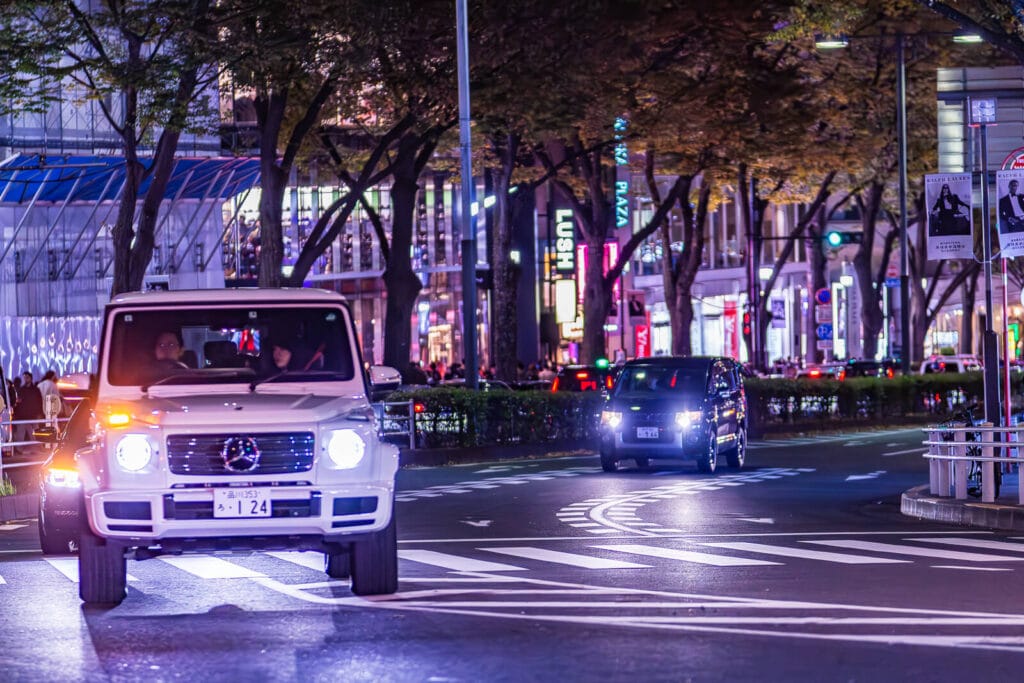
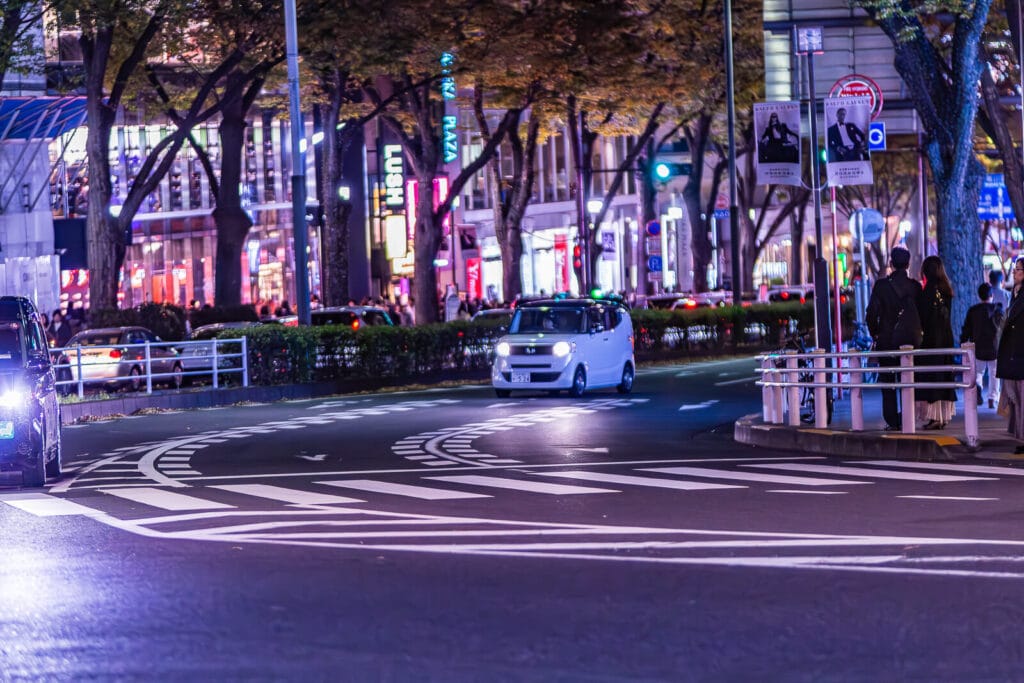
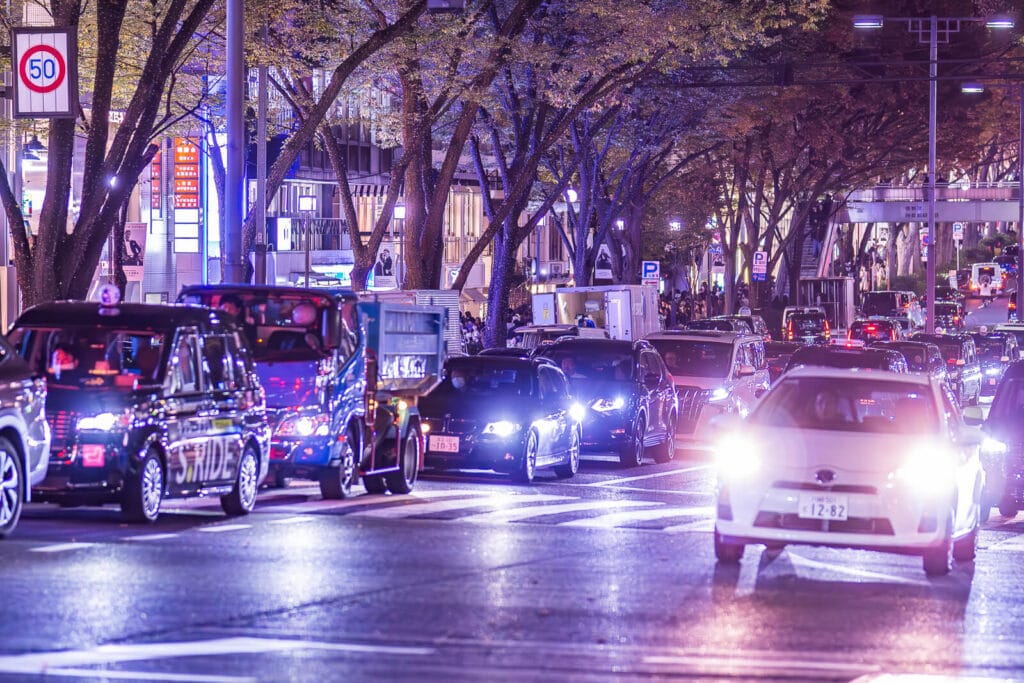
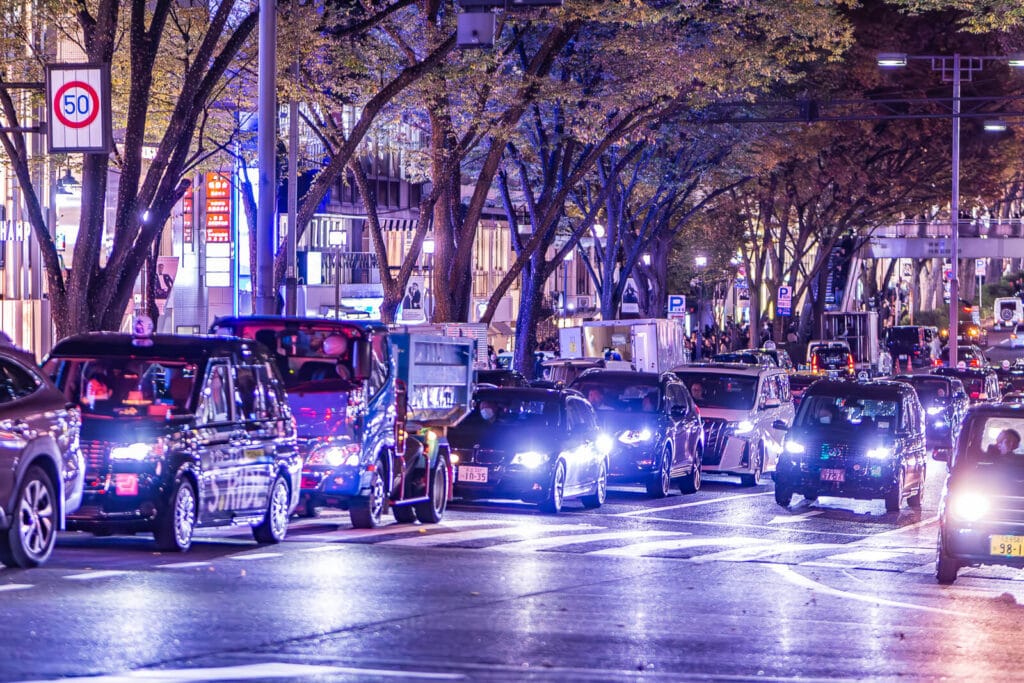
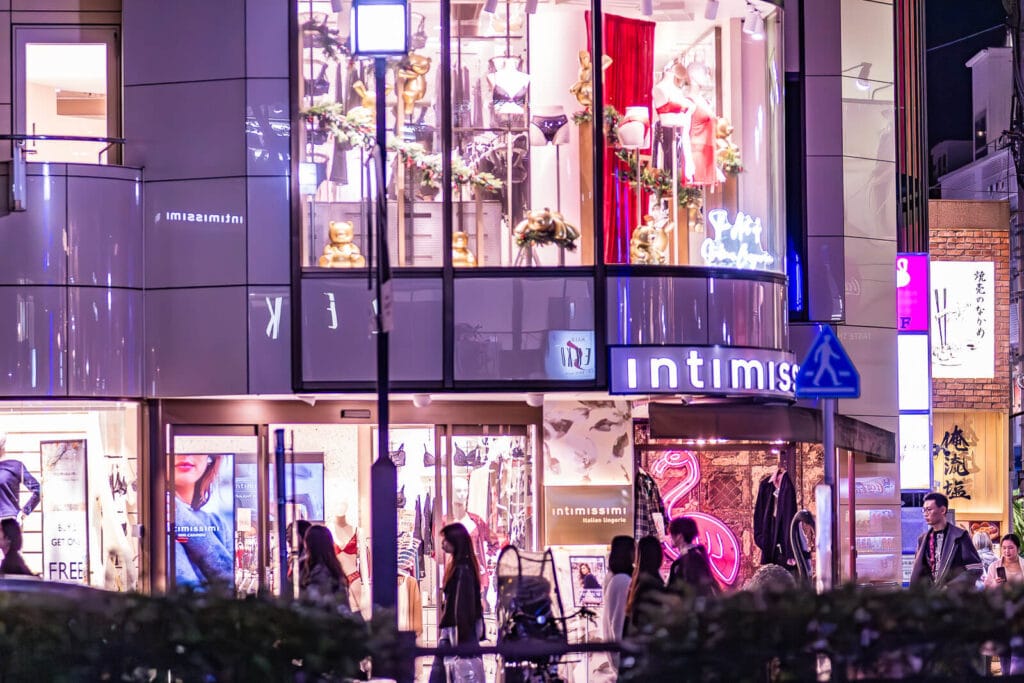
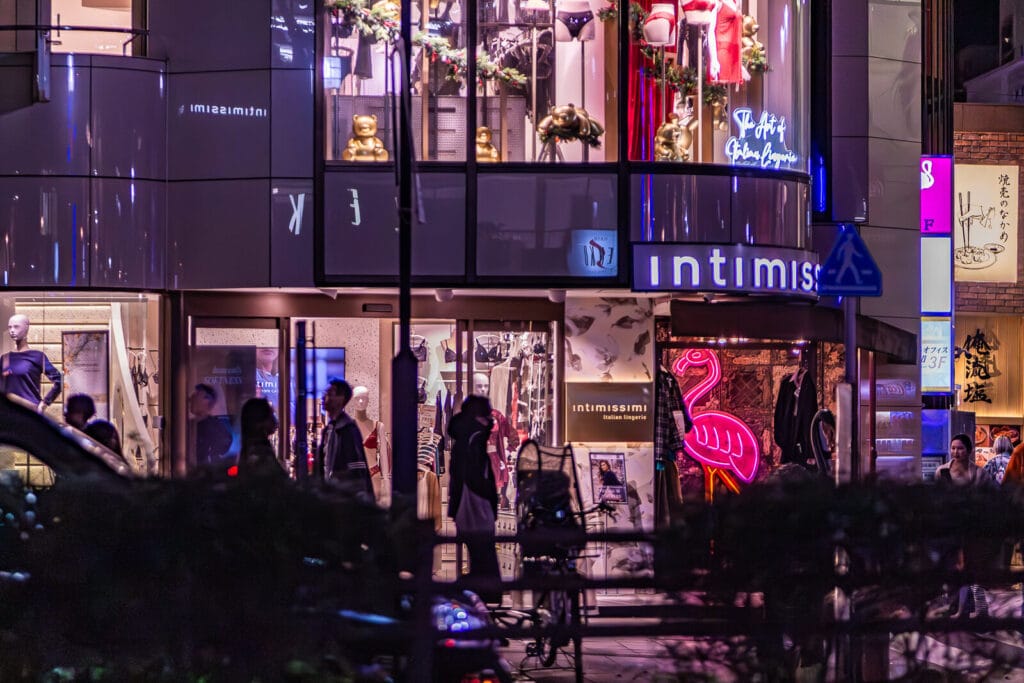
Where Takeshita was all energy and urgency, Omotesando is considered and quiet. Sleek. Upscale. The architecture here is different — glass and steel and deliberate lines. Luxury brands have their flagship stores along this boulevard, and they wear it well. The buildings don’t compete; they command.
But it’s still street Harajuku, just polished to a different shine.
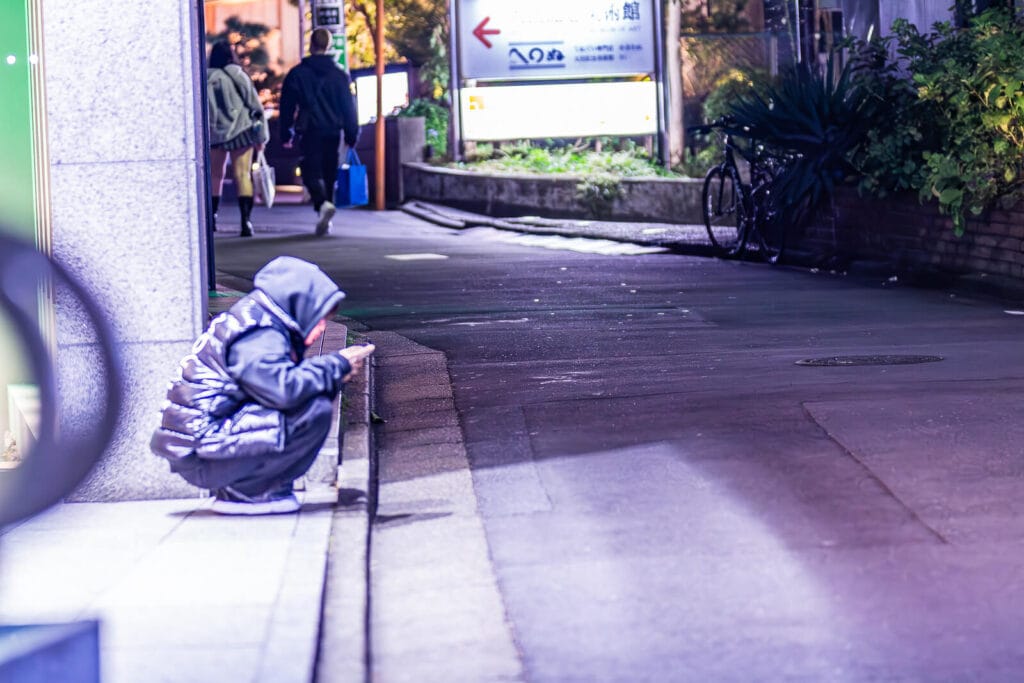
What surprised me most about Omotesando was the quiet moments that exist alongside the grandeur. An older man reading a newspaper on a bench beneath a row of perfectly trimmed trees. Two university students sitting on the steps of a closed boutique, sharing earphones, barely talking. A woman in an impeccably pressed coat walking a dog that seemed to understand its role in the aesthetic.
I shot less here. I moved slower. The street invites that kind of pace. You don’t sprint through Omotesando — you stroll, and you let the elegance wash over you a little bit.
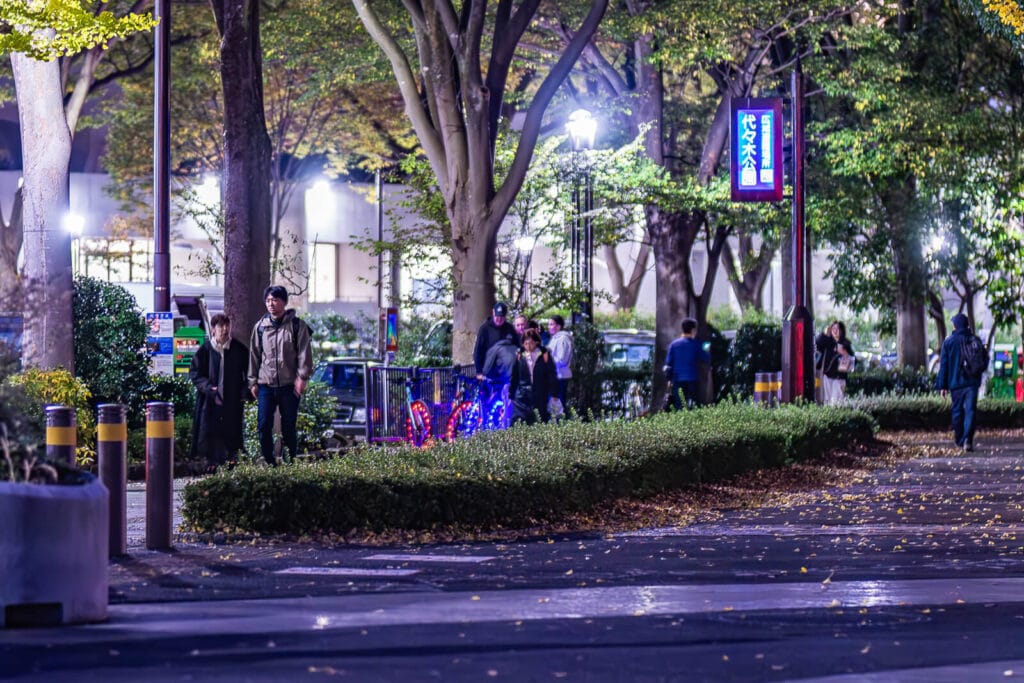
There’s a tree-lined stretch of Omotesando that I stood in for a while just watching the light come through the branches. No particular reason. It was just beautiful. Sometimes that is enough reason, and photography reminds you of that more than most things.
Cat Street: The Heart of It
Oh, Cat Street.
If I had to pick one place that captures the real soul of Harajuku shopping street culture, it would be here. Not Takeshita — as much as I love it — and not Omotesando either. Cat Street is something else entirely. It’s the missing middle. The place where fashion and feeling and a kind of quiet lived-in coolness come together in a way that feels almost accidental.
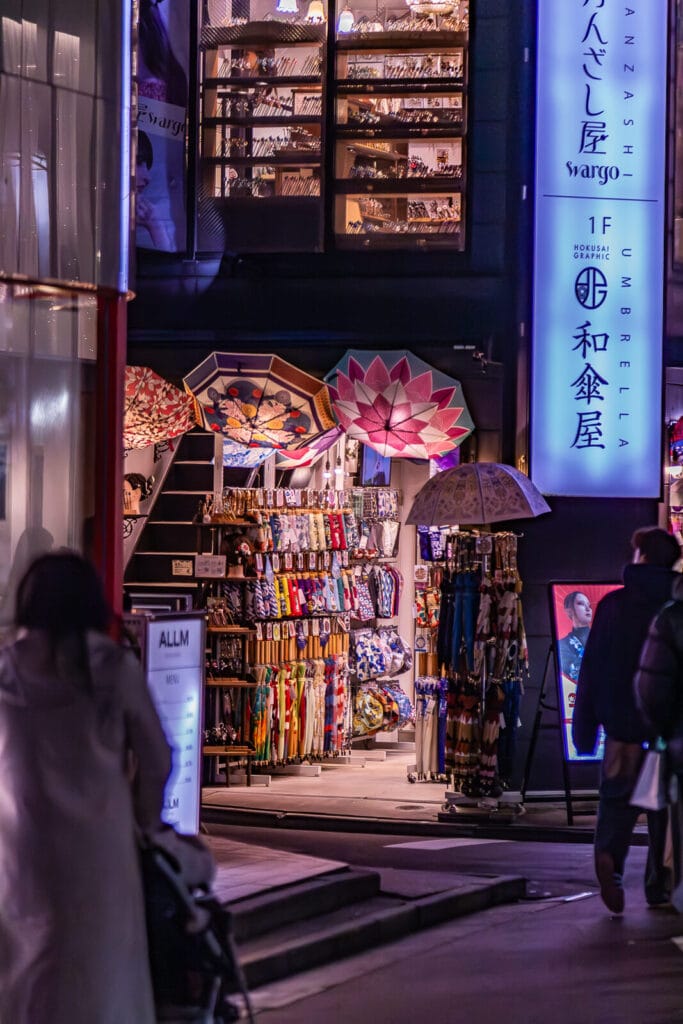
Cool cafés tucked into side alleys. Vintage clothing shops with curated racks that clearly someone spent a long time putting together. Kids on skateboards rolling past boutiques selling things that cost more than my camera. The rhythm here is slower. Calmer. Like the street itself has exhaled.
I wandered Cat Street for close to two hours without a real destination. That’s what it calls for. You don’t plan Cat Street — you drift through it and let it give you what it wants to give you.
I shot empty corners. I shot stylish shoes on cracked pavement. I got down low once to catch a reflection in a puddle outside a café and a woman walking out nearly stepped on me, and apologized so graciously I felt embarrassed for existing.
Then I stumbled across a mural. I almost walked past it. It was painted on the side of a narrow building between two shops, visible only if you turned your head at the right angle. Blues and greens mostly, with a figure that might have been a person or might have been something else entirely. It felt like a whisper compared to everything Takeshita Street had been shouting. I spent probably fifteen minutes standing in front of it, shooting from different angles, never quite getting the frame I wanted. Some things resist the photograph.
That mural felt like the whole point of Cat Street, if Cat Street has a point. Which I think it does, even if it never announces it.
The Walk as a Whole
As a lover of Tokyo street photography, this walk from Harajuku Station to Cat Street was, without exaggeration, one of the best photo walks I’ve taken in this city. And I’ve taken a lot.
What made it wasn’t any single location. It was the shift. The movement from one mood to the next. From the beautiful chaos of Takeshita to the polished calm of Omotesando to the wandering soul of Cat Street — the walk builds something as you move through it. You arrive somewhere different than where you started, not just geographically.
I didn’t just take pictures that day. I caught layers. Culture and fashion and emotion, yes, those things absolutely. But also time. Also silence. Also the strange collision of tradition and invention that Tokyo does better than anywhere I’ve been. A teenager in a handmade cosplay outfit standing outside a shop that’s been here since before her parents were born. A grandmother watching it all with an expression that might be disapproval or might be quiet admiration — impossible to say.
That’s the photograph I’m always trying to take, I think. The one that holds both of those things at once.
What This Walk is Really About
This photo walk wasn’t about checking locations off a list.
It wasn’t about getting to Takeshita Street and then Omotesando and then Cat Street and ticking boxes. Anyone can do that. Anyone can walk a neighborhood and say they’ve seen it.
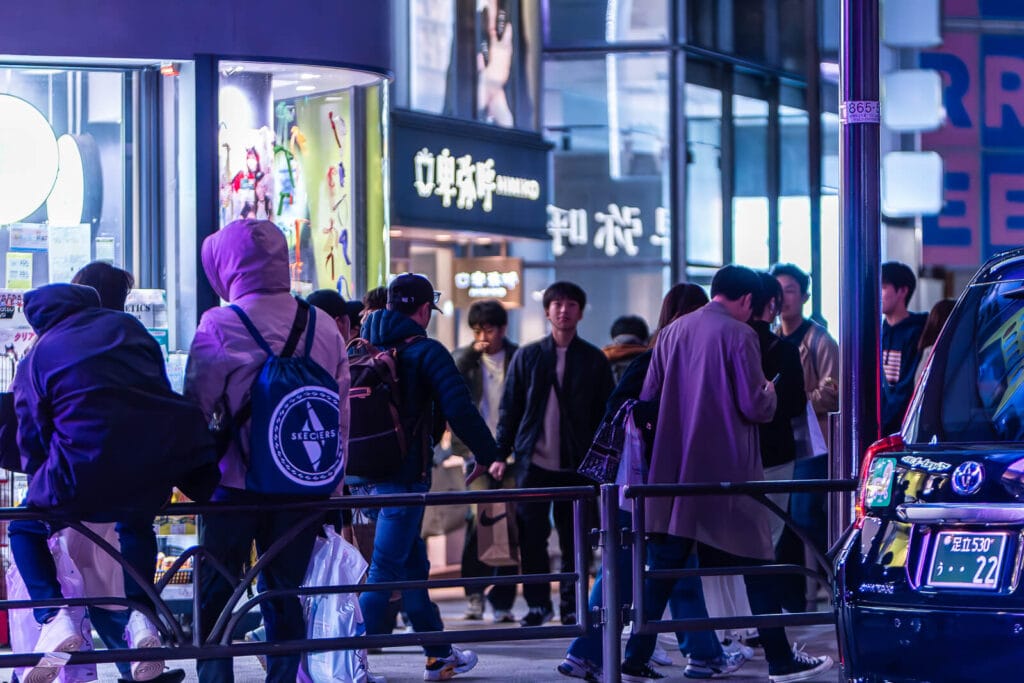
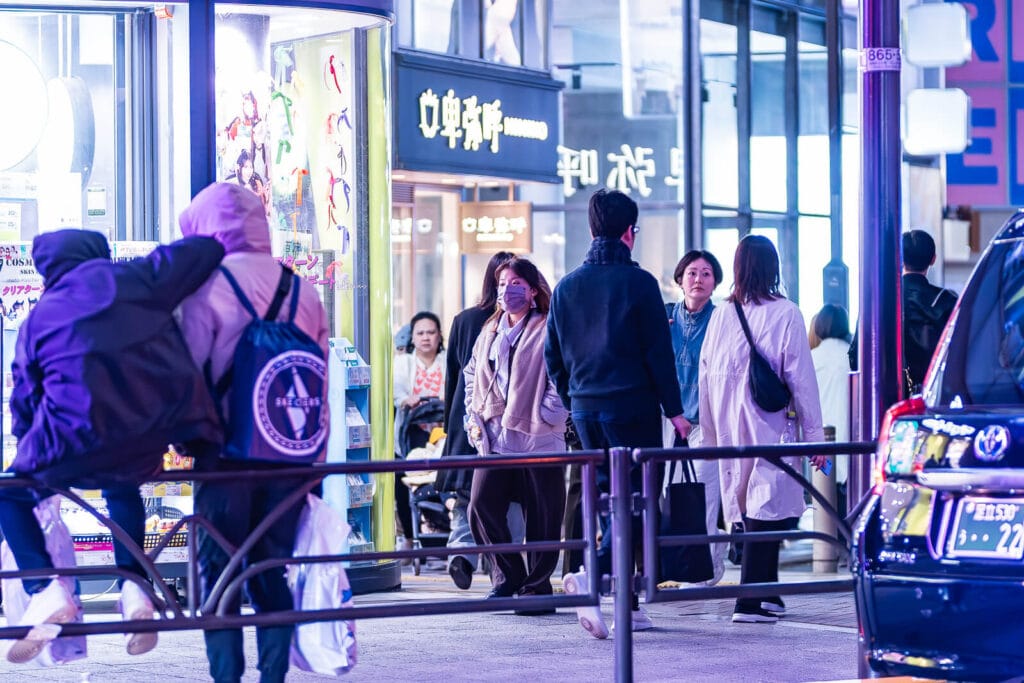
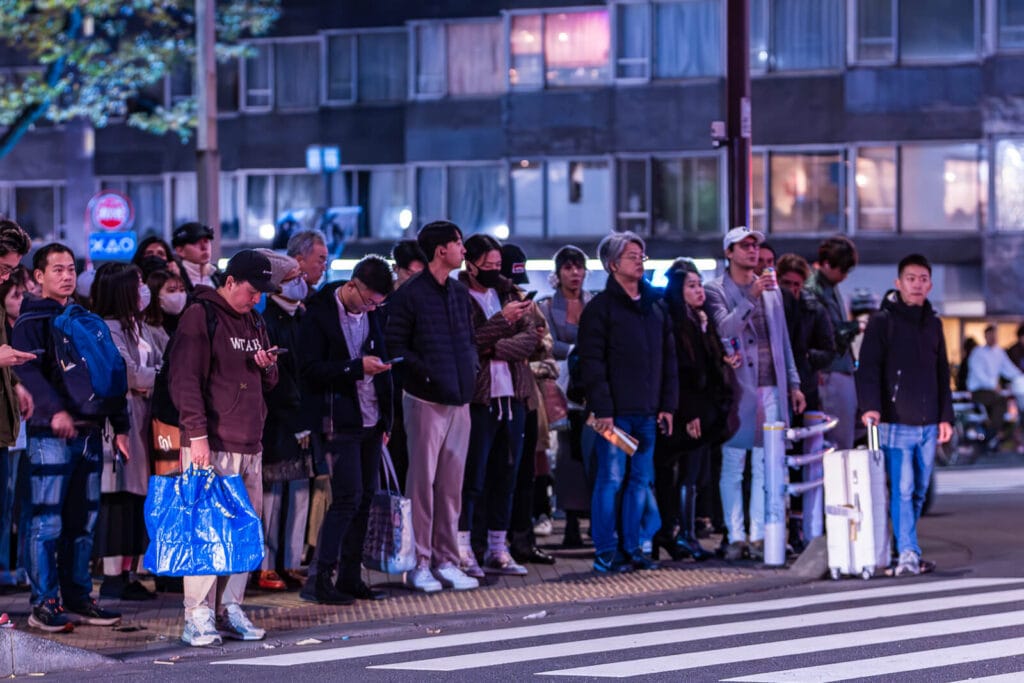
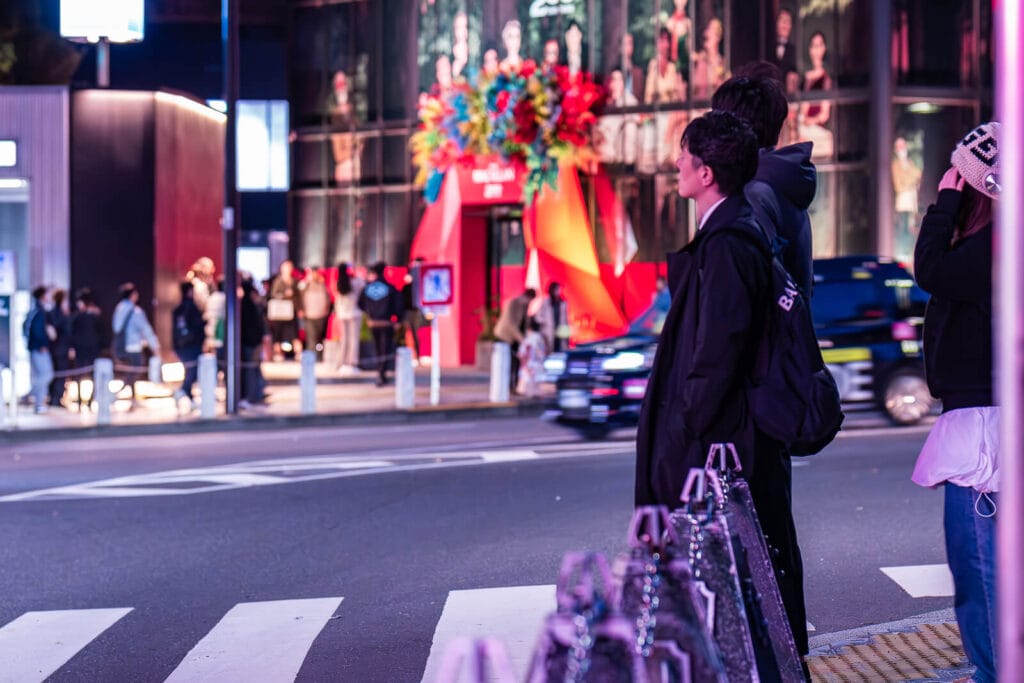
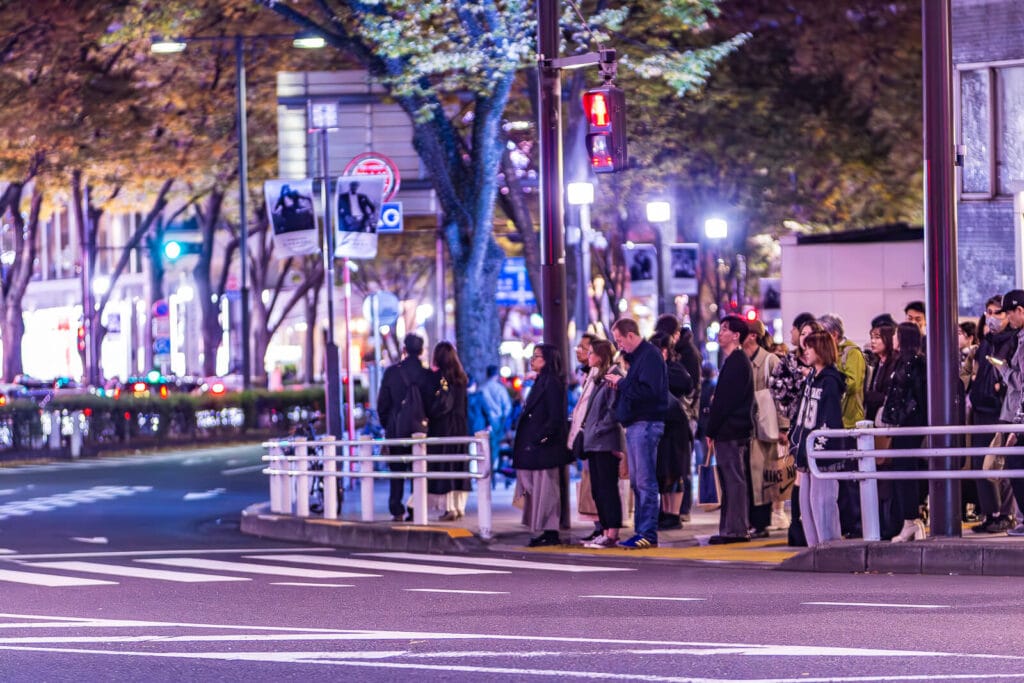
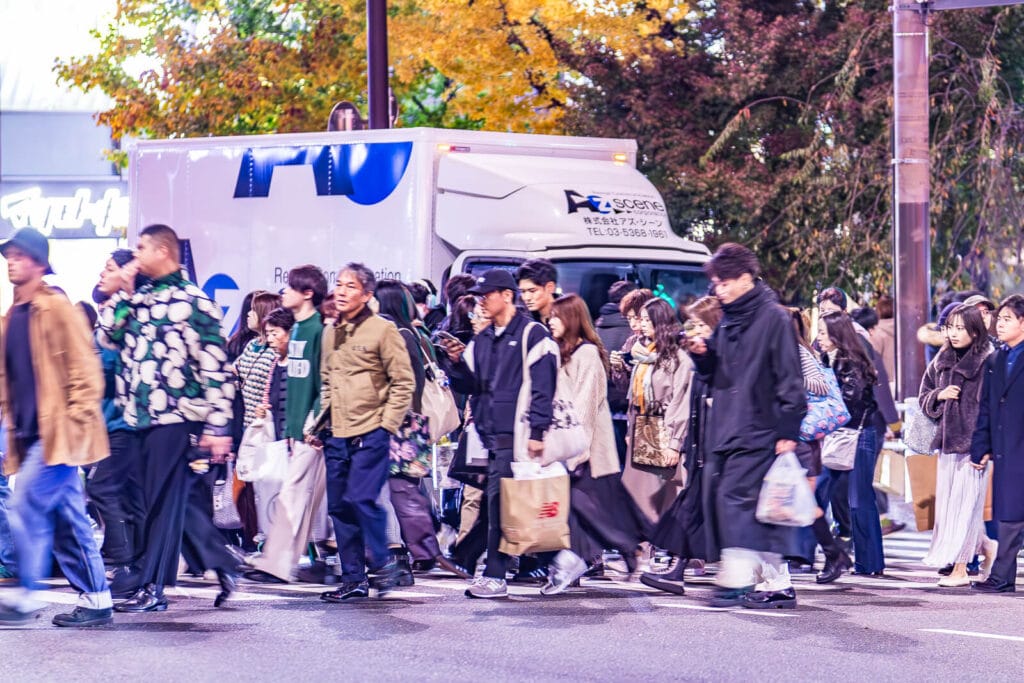
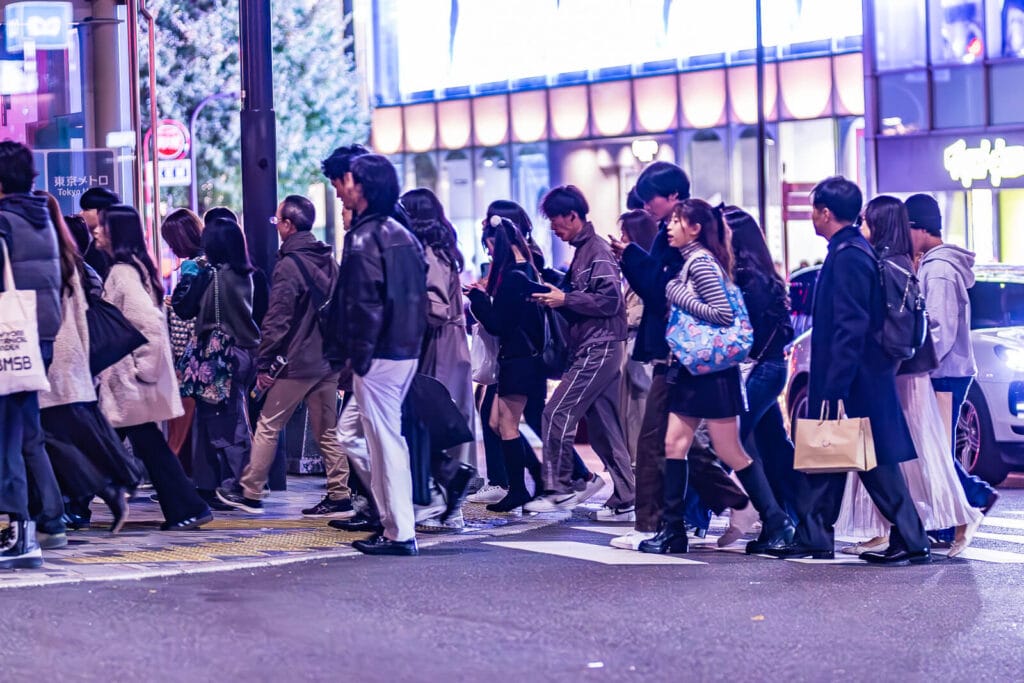
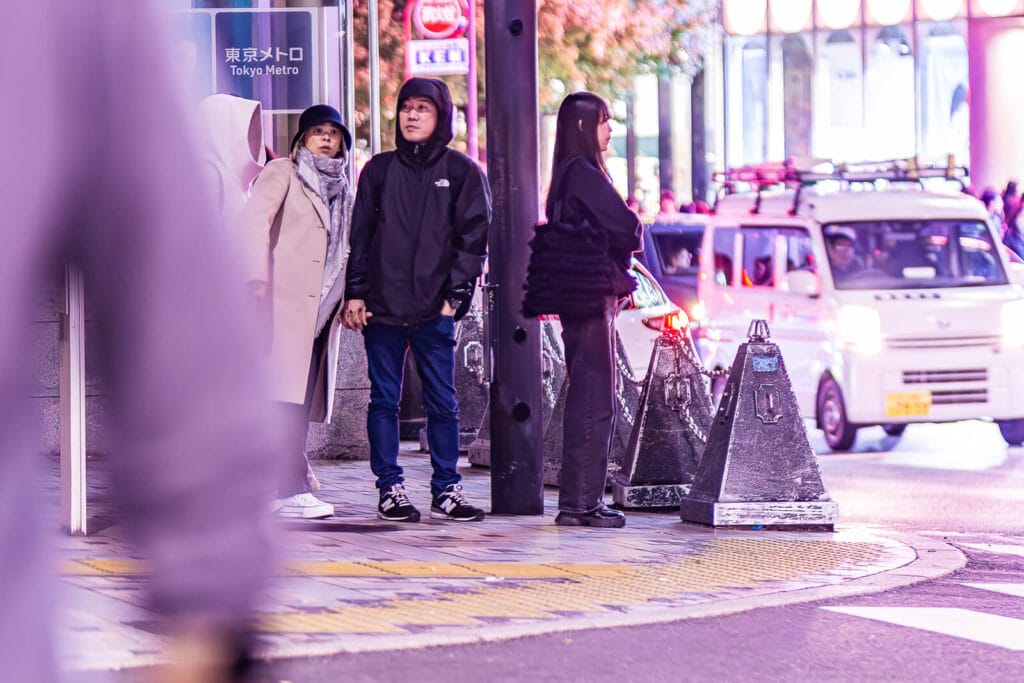
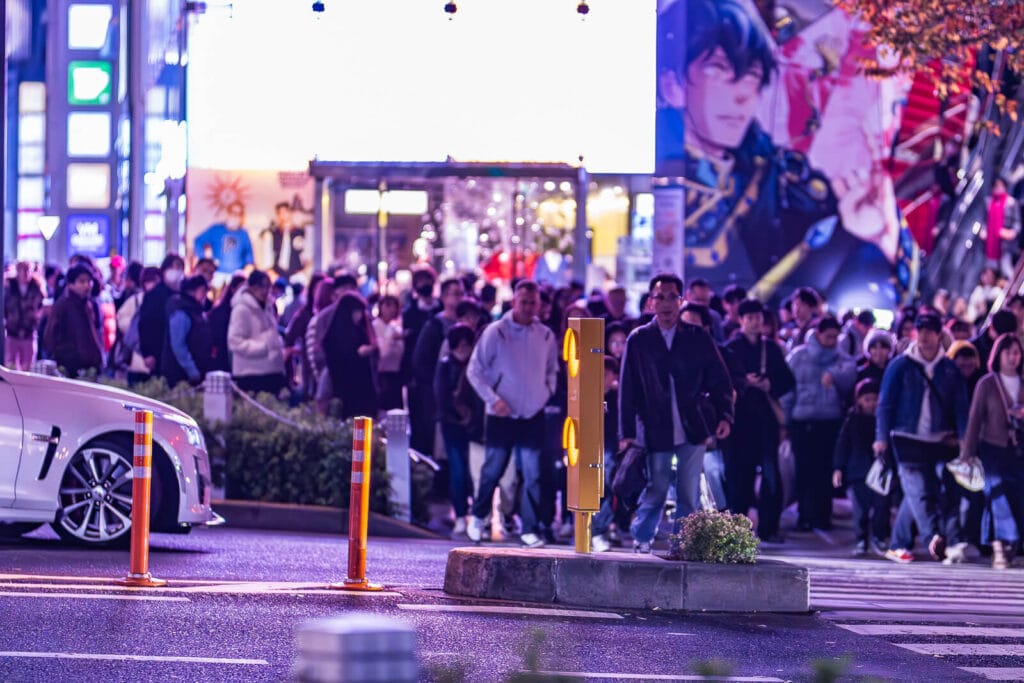
What I was doing — what I’m always doing on these streets — is trying to catch life in the small spaces. Between traffic lights. Between one person crossing the street and the next. In the half-second before someone notices the camera, or the half-second after, or the exact moment someone stops being aware of themselves entirely because something across the road caught their eye.
Harajuku does this better than most places. The energy here is real and generative. People come to this street to be seen, yes, but also just to be — to inhabit their own style and their own vision of themselves fully and publicly, without apology. As a photographer that is the richest environment you can work in. You’re not imposing a story onto people. The story is already there. Your job is just to notice it.
I came back to Harajuku the next morning too. Different light. Different people. Different city, almost.
Still gold.
If you find my tips helpful—and click any of the links—it actually helps support this blog. Don’t worry; it costs you nothing. Yup, zero extra. But it keeps my travel stories alive. Honestly, it’s kinda cool knowing you’re helping me keep these adventures coming. So, thanks. Really.

more from airashijapan
Navigating Tokyo Transportation efficiently
Tokyo Shibuya Crossing: The World’s Busiest Intersection
Japanese Temples: Senso-ji and Nakamise Shopping Street
Exploring Tokyo: Unveiling Top Attractions and Hidden Gems
Kichijoji: Unveiling the Charm of Tokyo’s Hidden Gem
20 Best Budget Hotels Tokyo: Affordable Stays in the Heart of Japan’s Capital
Yanaka: Old-World Charm and Quaint Streets
The Mystical Allure of the Torii Gate: A Gateway to Japanese Culture
Meiji Shrine: Journeying Through Tokyos Meiji Shrine
Exploring the Heart of Tokyo: Shinjuku
Tokyo Tower: Panoramic City Views
Omoide Yokocho: Tokyo’s Nostalgic Alley of Memories
Akihabara Electric Town : Tech and Anime Haven
Roppongi Tokyo: Fusion Hub of Culture and Nightlife
Harajuku Japan: A trendsetter’s Heaven
Tokyo Autumn 2024: The Ultimate Guide to Experiencing Fall in Japan’s Capital